
As a Minneapolis newborn and family photographer and a mom of three, I know how loud the food advice gets. Between social media, mom groups, and pregnancy apps, we’re constantly told what to eat. Skip the deli meat. Eat for two. Take nine supplements (or wait, maybe none). So I wanted to ask someone who does this for a living if feeding yourself as a mom is really as complicated as it feels.
For this episode of Made for Minnesota Moms, I talked with Kennedy Youngren, a registered dietitian in Waverly and a specialist in prenatal nutrition. We covered postpartum nutrition, prenatal vitamins, iron, blood sugar, fiber, and how she feeds her family on a dairy farm.
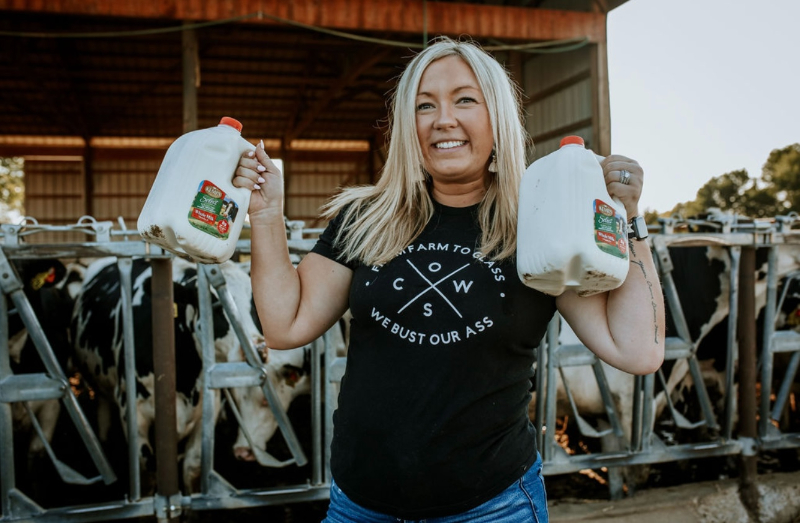
Meet Kennedy Youngren, MS, RDN, LD, SPN
Kennedy is the registered dietitian behind The Legendairy Dietitian. She specializes in preconception through postpartum nutrition, helping women support their hormones, fertility, and long-term health with food and targeted supplements.
She’s also a dairy farmer’s wife and a mom of two, and her family raises beef. So her advice has to work in real, busy life.
What a Prenatal Dietitian Actually Does
Kennedy doesn’t hand out a generic meal plan. She starts with testing, like DUTCH testing for hormones, GI mapping (a stool test that shows how well you’re absorbing nutrients), and micronutrient panels. Then she builds your plan around the results. She works virtually and is licensed in Minnesota, so she can help moms across the state.
This one hit home for me. Understanding my own labs with Dr. Britt Stammer (the naturopathic doctor from earlier in this series) gave me more answers than I’d ever had.
Watch the Full Interview
Got 40 minutes and a napping baby? Press play below, or find more interviews on my Made for Minnesota Moms YouTube channel.
If you’d rather read, keep scrolling. I pulled the questions from our conversation into the Q&A below.
Q&A with Kennedy Youngren, Registered Dietitian in Minnesota
1. How did you become a dietitian, and why prenatal and postpartum?
Kennedy studied at St. Kate’s, then earned her master’s in sports nutrition from Concordia University Chicago. She worked with the Minnesota Twins dietitian during her internship, but her husband’s cows weren’t moving. So she pivoted to youth eating disorders at The Emily Program.
After her daughter was born in 2022, she wanted to be home, so she started working with farmers and treating them like athletes. Then she read Real Food for Pregnancy by dietitian Lily Nichols, fell in love with prenatal nutrition, and completed Lily’s specialist certification. That’s the SPN after her name.
2. What mistakes do you see women make with pregnancy nutrition?
Kennedy sees two patterns. The first is fear around food. Very few foods are truly off limits (allergens and raw fish, for example). She said you’re more likely to get sick from romaine than deli meat (just heat the deli meat).
The second is under-fueling. Bounce back thinking kicks in once the bump shows, and “eating for two” doesn’t match what your body needs:
- First trimester: no extra calories
- Second trimester: about 300 extra
- Third trimester: about 500 extra
- Fourth trimester: up to about 800 extra
After the placenta is out, you have a dinner plate sized wound in your uterus to heal. Kennedy tells clients their postpartum protein needs are higher than a professional female athlete’s. (That had never crossed my mind.)
3. Why does it matter how you give birth?
A C-section cuts through seven layers, so there’s more tissue to heal. Tearing adds to your needs too. There’s no exact number, but both raise your need for collagen-rich protein.
Her favorite healing foods are warm collagen-based proteins like slow-cooked meats, meat on the bone, skin-on chicken thighs and drummies, and bone broth. She’s whole foods first, and these are usually affordable.
4. What is collagen good for?
Collagen supports your hair, skin, nails, and intestinal tract. When a client’s GI map shows gaps in the gut lining, warm collagen-based proteins are one of the first things Kennedy uses.
Protein also steadies blood sugar, which helps create a stable environment for implantation. If aversions make that tough, shakes and bars are fine.
5. What else should you eat when trying to conceive or newly pregnant?
Kennedy recommends two to three Brazil nuts a day for selenium and two or more eggs a day for choline.
The conventional choline recommendation is about 450 milligrams a day, but she said more advanced research points toward 900. Choline supports baby’s brain development, and she mentioned a study linking two to three eggs a day in pregnancy to better language and concentration in kids.
If eggs were your aversion, she wants you to know you did the best you could with what you knew at the time.
6. Where do you stand on prenatal vitamins?
Skip the big box store prenatals. Quality ones can mean six to eight capsules a day because nutrients like magnesium take up a lot of room.
Her top pick is Fullwell, made by a dietitian and herbalist. She also likes Seeking Health and Fig.
Her biggest rule is no folic acid. People with the MTHFR gene variant can’t process it well, and Kennedy said it can make morning sickness worse. Look for an active form of folate instead.
Fullwell also leaves out iron, which surprises some OBs. Extra iron can worsen constipation if you aren’t deficient, so test first. Ask for hemoglobin and ferritin, because hemoglobin can look normal while ferritin is low. If you need iron, she uses Iron C by Pure Encapsulations or beef liver (after checking B12).
Kennedy likes to see ferritin around 70. Mine was 6. (Her response: “How are you functioning?”) I recently finished iron infusions, and so many girlfriends told me theirs were low too. Please find out what your iron levels are!
7. What can moms do for postpartum nutrition, and how are you doing it with baby two?
With her daughter, Kennedy didn’t prep a thing. She also experienced postpartum rage, and looking back, she believes a lot of it was tied to blood sugar because she wasn’t eating enough.
This time, her freezer was stocked with slow-cooked Crockpot meats and one-handed meals. Dinners don’t need to be Pinterest-worthy either (think burgers loaded with greens).
Her go-to resource is The Food Doula, a Canadian nutritionist whose cookbook The Nourished Mother has postpartum meals, snacks, freezing tips, and prep schedules.
Her biggest advice: stock your freezer, even if it’s only a couple of meals. When someone asks what you need, ask for a meal and send the recipe. (As the friend who always asks, we want a job.)
8. What should moms prioritize for mood, energy, and recovery for postpartum nutrition?
Blood sugar, even if you’ve never had gestational diabetes. Stable blood sugar means steadier mood and energy, fewer crashes and cravings, more muscle, and better milk supply.
Kennedy wears a continuous glucose monitor (she uses Levels) to see her trigger foods and how poor sleep makes her snackier.
Everyone spikes after birthday cake, and that’s okay. Her simple rule is put more protein and more fiber on your plate than you’re used to. Most women are under-eating calories, protein, fat, and fiber.

9. What are some good foods for fiber?
Fiber feeds the good bacteria in your gut. Kennedy recommends 30 different plant foods per week, including fruits, veggies, nuts, seeds, beans, grains, and legumes. Different colors count separately, so red, yellow, and green peppers are three.
Most women get about 15 grams of fiber a day and need 25 to 45, and each gram is linked to about a 1% lower colorectal cancer risk.
Thirty sounds like a lot, but it’s five or six a day. Raspberries, blueberries, a stuffed pepper, onions, and garlic get you there.
10. Is there a certain balance to aim for, like 80/20?
Kennedy won’t give a blanket number. Because of her eating disorder background, she knows a strict ratio can hurt some people’s relationship with food.
Instead, she makes variety a game for kids. Count colors on the plate. Let them pick a new fruit at the store (even a $6 dragon fruit). For picky eaters old enough to cook, try a fend-for-yourself night, then ask how their belly feels. They learn from their own choices instead of from mom.
She also mentioned the first 1,000 days theory. What you eat from three months before conception through baby’s first two years may shape 80 to 85% of their taste preferences. So how we talk about food, and ourselves, at the table matters.
11. How do you make nutrition work as a farm mom with two kids?
Breakfast. Kennedy compares your body to a gas tank that’s empty when you wake up. What you put in first sets the tone for crashes, cravings, and energy.
She builds breakfast with high protein, fiber, and fat, plus a little carbohydrate. The morning we recorded, she had three eggs, two slices of bacon, half an avocado, pickled red onions, Coconut Cult yogurt, and sourdough with peanut butter. (They were out of milk. On a dairy farm.) Usually she adds a Just Ingredients Banana Bread protein shake. (I’m ordering some.)
Her rule is eat like a prince in the morning and a pauper at night.
12. Anything else you want moms to know about prenatal and postpartum nutrition?
Don’t stress. If you’re trying to conceive, focus on blood sugar, exercise, sleep, and plenty of protein and fiber. If you’ve been trying for more than six months, Kennedy suggests advanced labs with someone qualified to read them.
The Real Life Rescue Kit
I end every interview asking for three Minnesota recommendations that help moms in real life.
- Takeout Rescue: The Uptown in Waverly, off Highway 12. Kennedy says they have the best cheeseburgers on this side of the Mississippi.
- Worth-the-Effort Outing: Rise and Roam, a Montessori-based play park in Litchfield. Also, go outside, rain or snow (“these children are washable”). She recommends the 1000 Hours Outside podcast too.
- Local Mom Resource: Dr. Jesse and the team at Chiro for Moms and Chiro for Kids. Kennedy is also launching the Mother Well Collective, pairing kid-friendly Pilates with nutrition education. (I also interviewed Dr. Jesse, you can check it out here.)
Where to Find Kennedy
Books she recommends: The Nourished Mother by The Food Doula and Lily Nichols’ Real Food series. She suggests Real Food for Gestational Diabetes for every woman, pregnant or not, because it explains blood sugar so well.

A Personal Note from Me About Prenatal and Postpartum Nutrition
I’m done having babies, and I still left this conversation with a list. Check my ferritin. Add Brazil nuts. Count colors with my kids. Make breakfast bigger.
That’s why I started Made for Minnesota Moms. I keep meeting women who know things I wish I’d known years ago, so I ask them the questions and put the answers somewhere you can find them.
If you’re pregnant, grab my free Minneapolis Pregnancy Guide. If baby’s already here, my Real-Life Postpartum Care Kit has practical things to have ready for those first weeks. Join my newsletter so you don’t miss the next episode, and if you’d like to document this season with your family, I’d love to connect.
Feeding yourself well can be simpler than the internet makes it feel.
Disclaimer: This blog post and interview are for educational and informational purposes only and do not provide medical advice. They are not a substitute for professional medical care, diagnosis, or treatment. Always talk with your physician, midwife, registered dietitian, or other qualified healthcare provider about questions related to pregnancy, postpartum, nutrition, supplements, or your health.

comments +